
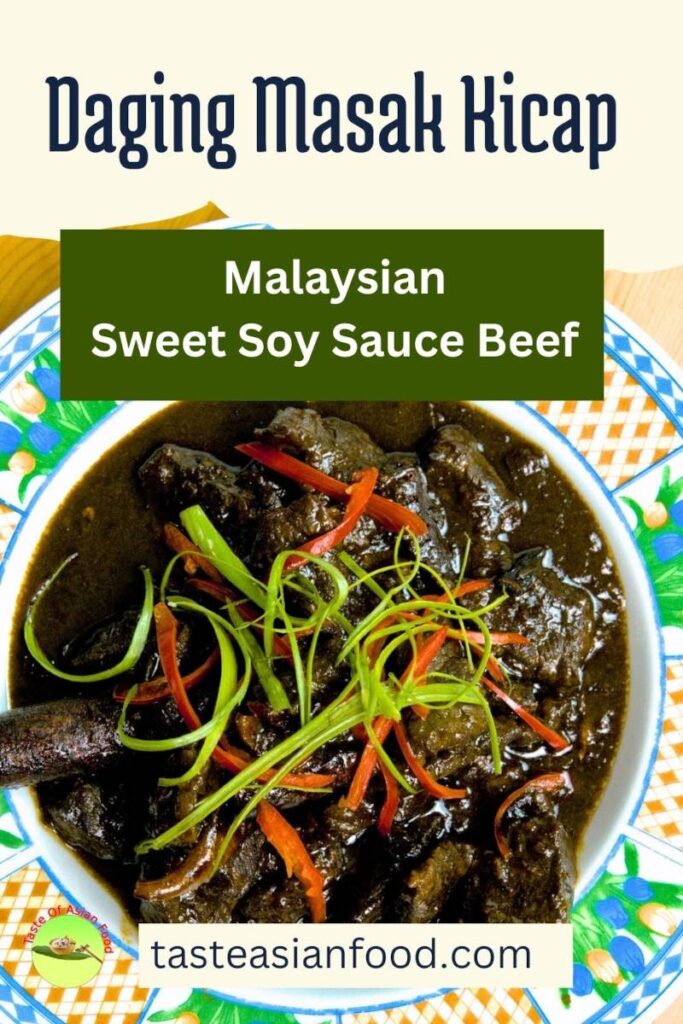
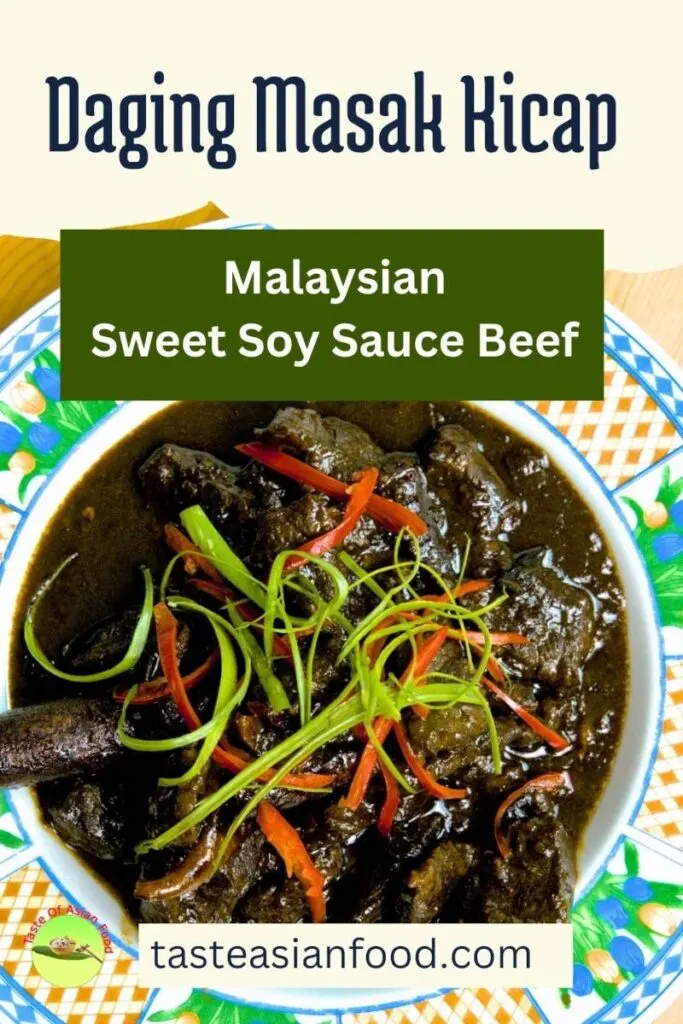
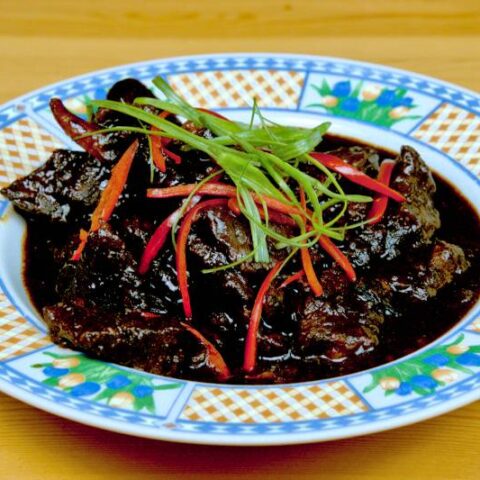
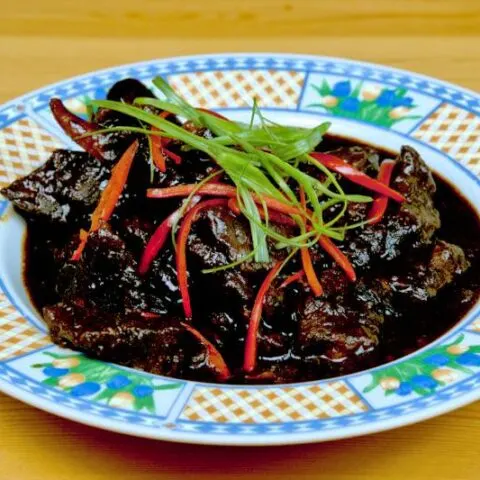
Daging Masak Kicap is a popular traditional Malay soy sauce beef stew that is rich, savory, and deeply satisfying. I used to serve this dish in my restaurant, and its flavor has always stayed with me. Unlike Western beef stews or Chinese braises, it’s uniquely sweet, aromatic, and spiced with cinnamon, cloves, star anise, and cardamom.
The beef turns dark and glossy from the sweet soy sauce, creating a thick, flavorful gravy that pairs perfectly with white rice. Simple to make yet unforgettable in taste, this dish is a must-try for every home cook.
Note: This post may contain affiliate links. Please read my privacy policy for more info. I may receive commissions for purchases made through links in this post. As an Amazon Associate, I earn from qualifying purchases.
Content
Note: Click any item to jump straight to that part of the post.
- Why This Recipe Works
- Ingredients and Why They Matter
- How to prepare Daging Masak Kicap (Sweet Soy Sauce Beef)
- Storing and Reheating Daging Masak Kicap
- Tips for Cooking Daging Masak Kicap
- Frequently Asked Questions (FAQ)
Why This Recipe Works
What makes Daging Masak Kicap so unique is its distinctive flavor and aroma. Unlike stir-fried soy sauce dishes in Chinese, Thai, Japanese, or Vietnamese cooking, this dish uses sweet soy sauce, giving the beef a rich, slightly caramelized sweetness and a deep, dark color that almost approaches black when fully cooked. This glossy, thick gravy not only looks stunning but also clings beautifully to the beef, making every bite intensely flavorful.
The unique flavor comes from a blend of traditional Malay spices such as cinnamon, cloves, star anise, and cardamom. These aromatics infuse the beef with a rich mix of sweet, savory, and gently spiced notes that make the dish truly distinctive.
Simple to make yet unforgettable in taste, it offers a flavor experience that is unlike any Western or Cantonese-style beef stew. Paired with plain white rice, the thick, aromatic gravy makes each bite comforting, satisfying, and deeply memorable.
Ingredients and Why They Matter
Beef
The heart of this dish is the beef. The best choice is sirloin, which stays tender and flavorful, but more affordable cuts like rump steak also work perfectly.
Sweet Soy Sauce (Kicap Manis)
This is the defining ingredient of Daging Masak Kicap. Thick, dark, and slightly sweet, it gives the beef its signature glossy color and rich flavor. I usually use Habhal (red label) or ABC brand, and I strongly advise against substituting with Chinese or Japanese soy sauces, as doing so will completely change the taste.
Spices (Empat Sekawan)
The traditional Malay spice blend, known as Empat Sekawan, includes cinnamon, cloves, star anise, and cardamom. These spices infuse the beef with a rich and unmistakable Malay flavor. Additional spices like fennel seeds, cumin seeds, and dried chilies add depth and complexity to the stew.
Lemongrass (Optional)
Adding lemongrass is optional but highly recommended if available. Use only the bulb part, lightly bruised to release its fragrance. It enhances the overall aroma and adds a subtle citrusy note.
Tomatoes (Optional)
A small tomato can be added for a touch of acidity, which helps balance the flavors of the beef and the sweet soy sauce and brings everything together nicely.
Chili
Fresh red chilies, dried chilies, or a blended chili paste like Cili Boh give the dish a gentle heat. Bird’s eye chilies (cili padi) can also be added for extra spiciness.
Potatoes (Optional Add-in)
Deep-fried potato wedges can be cooked along with the beef to absorb the thick, flavorful gravy. They become a delicious addition that adds texture and makes the dish even more hearty.
How to prepare Daging Masak Kicap (Sweet Soy Sauce Beef)
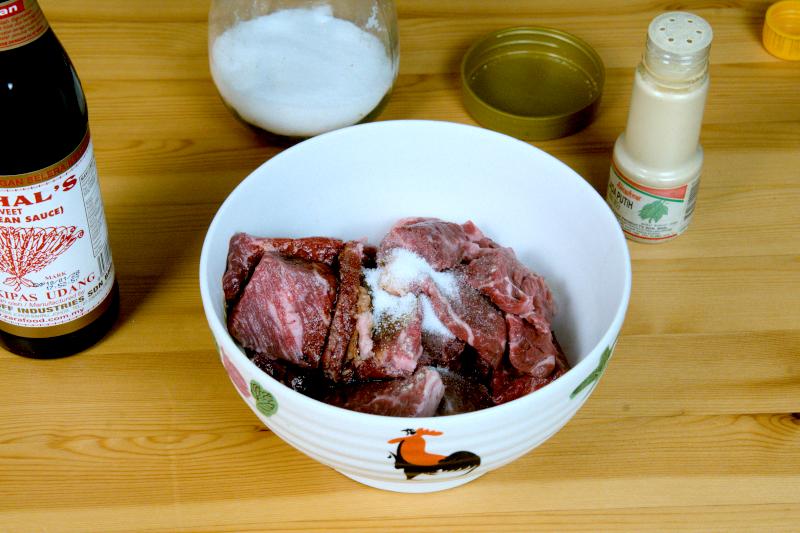
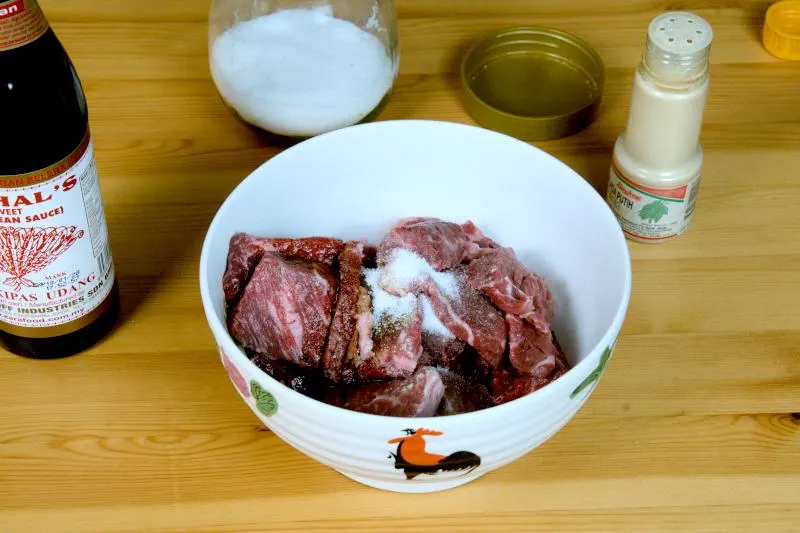
1. Slice and marinate the beef. Slice the beef against the grain into pieces about ½ centimeter (¼ inch) thick. Avoid cutting it too thin, as it may break apart during cooking. Alternatively, you can cut it into small cubes. Marinate the beef with sweet soy sauce, sugar, and white pepper powder for at least one hour.
2. Prepare the spices and aromatics. Grind the fennel and cumin seeds yourself, or substitute with store-bought ground spices if preferred. Soak the tamarind pulp in warm water until soft to release its flavor, then strain through a fine-mesh sieve to extract the tangy juice, discarding the seeds and pulp. Fresh tamarind pulp is commonly available in Malaysia, but store-bought tamarind paste works as well.
Heat the vegetable oil in a pan and sauté the onion and garlic until soft and fragrant.
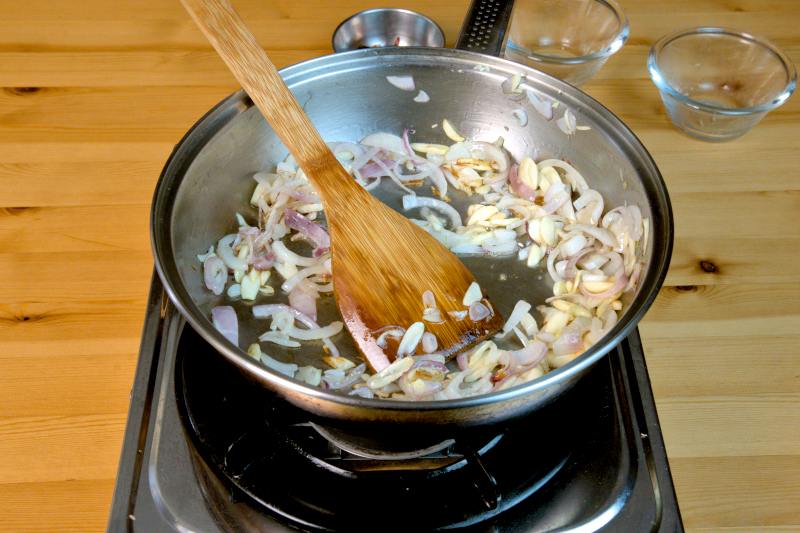
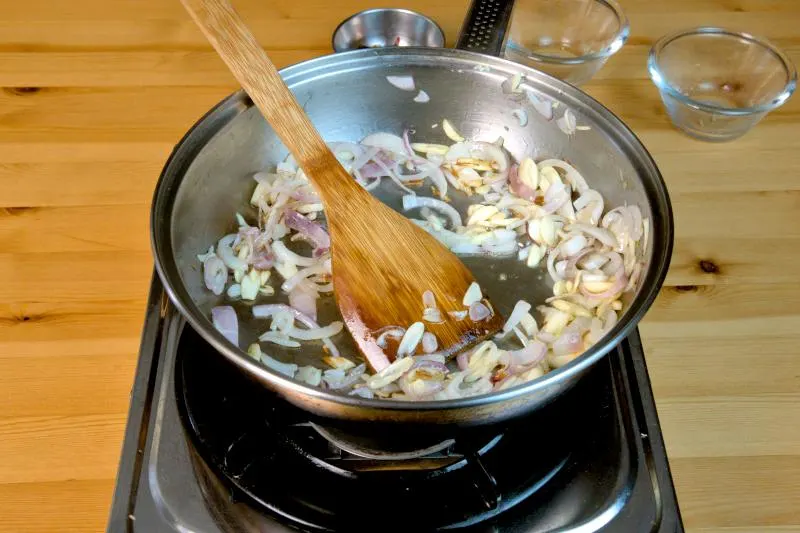
3. Combine beef with aromatics. When the onion turns soft and translucent, add the marinated beef to the pan. Mix in all the remaining ingredients listed in the recipe.
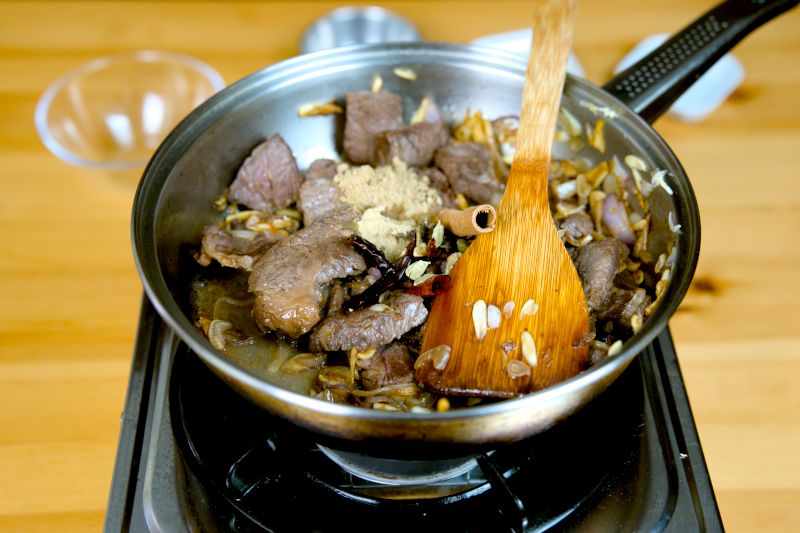
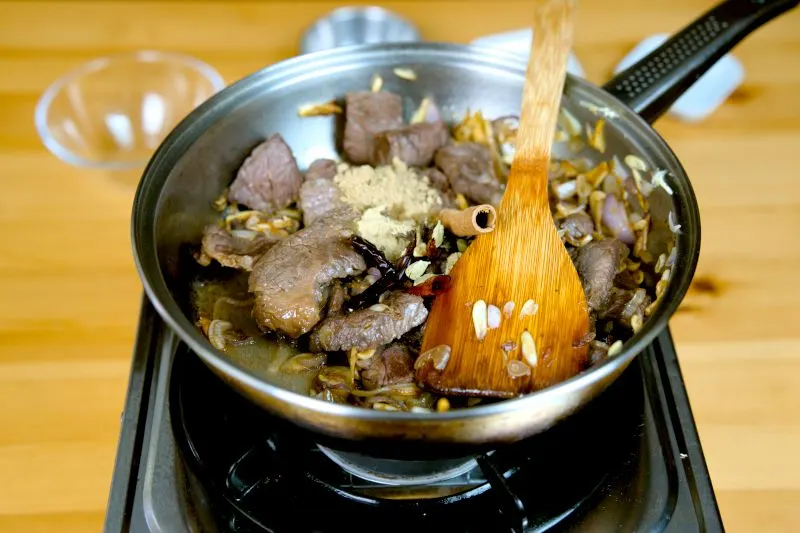
4. Simmer the beef. Pour in just enough water to barely cover the beef. Bring to a boil over medium-high heat, then reduce to the lowest heat setting and simmer for about two hours, or until the beef is tender. Check the water level occasionally to prevent it from drying out, and add more water if needed.
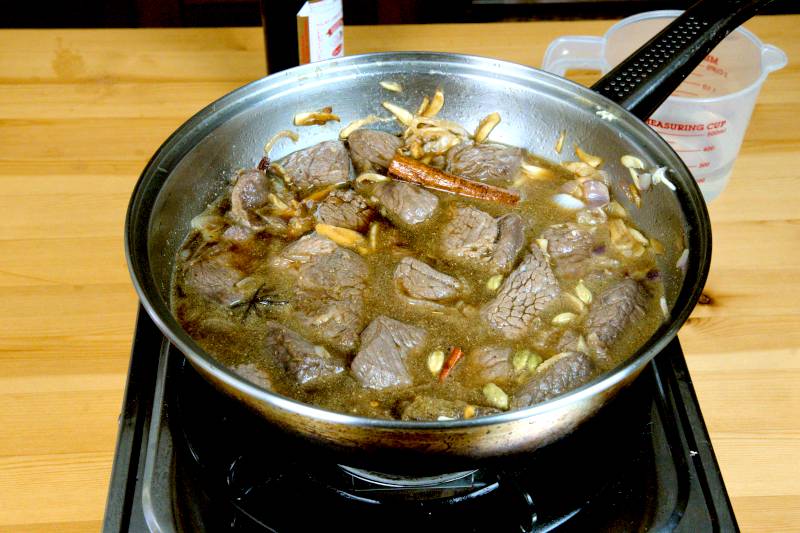
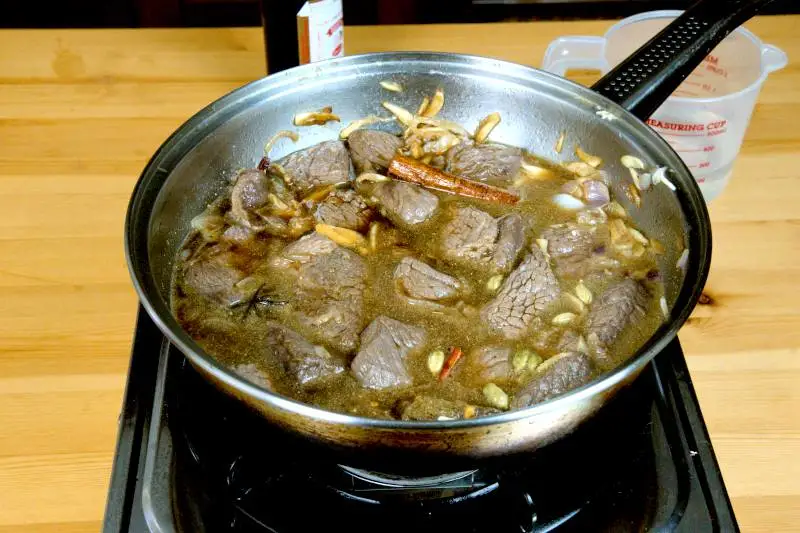
5. Reduce the sauce. Once the beef is tender, continue simmering until the liquid thickens into a rich, flavorful sauce.
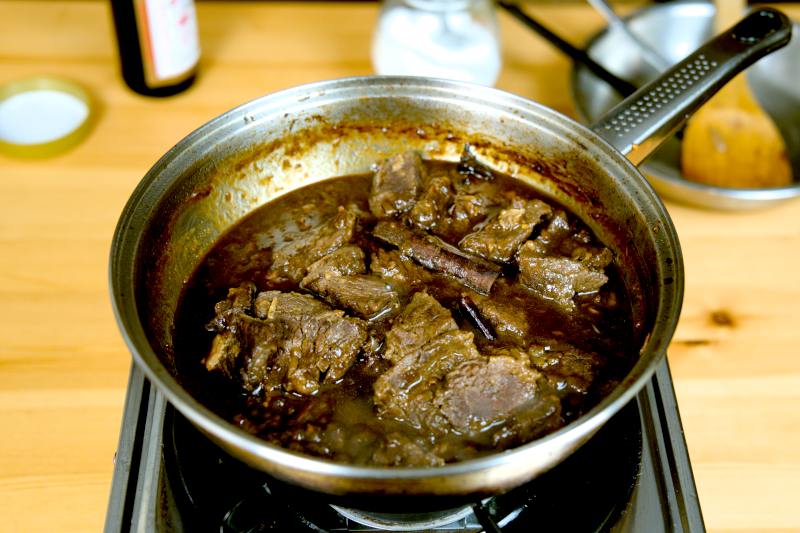
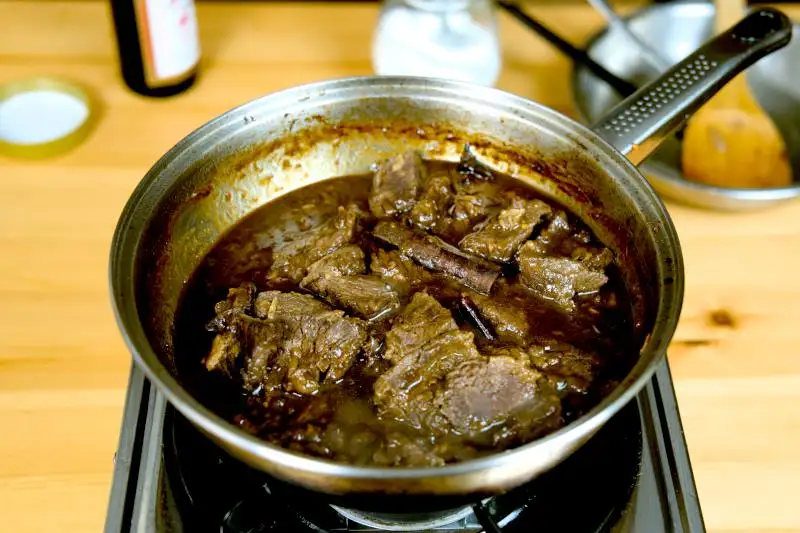
6. Serve. Transfer the beef to a serving plate. It pairs best with something light like white rice, which balances its bold, savory flavor. You can also serve it with Biryani rice or flatbreads like naan.
Daging Masak Kicap Recipe
A guide to making authentic Daging Masak Hitam, a Malaysian beef dish with sweet soy and warm spices. Great for meal prep and packed with flavor.
Ingredients
Ingredients A (marinate beef)
- 450g beef
- 1/4 tsp ground white pepper
Ingredients B
- 3 tbsp sweet soy sauce
- 3 dried red chilli
- 2 tsp sugar
- 3/4 water
- 1 tsp fennel seeds
- 1 tsp cumin seeds
- 1 tsp tamarind pulp
- 8 green cardamom pods
- 1 cinnamon stick
- 1 star anise
- 2 tbsp vegetable oi
- 8 cloves garlic
- 1 small size onion
Instructions
- Slice the beef against the grain into pieces about 1/2 centimeter (1/4 inch) thick.
- Next, marinate the beef with sweet soy sauce, sugar, and white pepper powder for at least one hour.
- Soak the tamarind pulp in warm water until soft to release its flavor. Strain the mixture through a fine-mesh sieve to extract the tangy tamarind juice, discarding the seeds and pulp.
- Heat the vegetable oil in a pan and sauté the onion and garlic.
- When the onion turns soft and translucent, mix the marinated beef with the onions. At the same time, incorporate all the remaining ingredients into the recipe.
- Pour in just enough water to barely cover the beef, then increase the heat to bring it to a boil. Once boiling, reduce the heat to the lowest setting and simmer for about two hours or until the beef is tender. Check the water level occasionally to prevent it from drying out. Add more water if needed.
- After two hours, check the beef to see whether it is already tender. Then, continue simmering to reduce the liquid until it thickens into a rich and flavorful sauce.
- Transfer the beef to a serving plate.
Recommended Products
As an Amazon Associate and member of other affiliate programs, I earn from qualifying purchases.
-
Soeos Szechuan Dried Chili,Dry Szechuan Pepper, Dry Chile Peppers, Sichuan Pepper, Dried Red Chilies, 4oz, (Very Mild Spicy)
-
 TBWHL Skimmer Slotted Spoon, Heavy Duty 304 Stainless Steel Slotted Spoon with Vacuum Ergonomic Handle, Comfortable Grip Design Strainer Ladle for Kitchen, 14.96 Inches
 -

 Tamicon Tamarind Paste
Nutrition Information:
Yield: 2 Serving Size: 1Amount Per Serving: Calories: 1686Total Fat: 103gSaturated Fat: 34gTrans Fat: 1gUnsaturated Fat: 51gCholesterol: 347mgSodium: 4562mgCarbohydrates: 75gFiber: 5gSugar: 35gProtein: 116g
This data was provided and calculated by Nutritionix on 4/4/2025
Storing and Reheating Daging Masak Kicap
Daging Masak Kicap keeps very well, making it perfect to make larger batches. Here’s how to store and reheat it for the best results:
- Short-term storage (1–2 days): Place the cooked beef in an airtight container and refrigerate.
- Long-term storage (several weeks): Transfer the beef to a freezer-safe container and store it in the freezer. The flavors remain well-preserved for several weeks.
Reheating:
- If frozen, allow the beef to thaw completely.
- Transfer the thawed beef to a pan and gently heat over low to medium heat until warmed through.
- Avoid microwaving for extended periods, as gentle stovetop reheating preserves the texture and flavor of the beef.
With these tips, you can enjoy Daging Masak Kicap anytime without losing its rich, savory taste.
Tips for Cooking Daging Masak Kicap
- Choosing chilies: Dry red chilies add a distinctive flavor that fresh chilies can’t quite replicate. However, there’s no strict rule, as you can use the type of chili you’re most comfortable with. For a mildly spicy dish, I use six dry chilies per kilogram of beef. Feel free to add more if you like it hotter.
- Adjusting sweet soy sauce: Each brand of sweet soy sauce differs in saltiness and sweetness. Start with a smaller amount, then taste and adjust gradually until the flavor is just right.
- Serving suggestions: The beef has a rich, bold flavor, so it pairs best with mildly flavored sides like plain white rice or lightly seasoned grains. This allows the sauce and spices to shine.
- Using a pressure cooker: To simplify and speed up cooking, you can use a pressure cooker. Cook the beef under pressure for about 35 minutes, then allow the pressure to release naturally. There may still be a lot of liquid left in the pot. If so, remove the beef with a slotted spoon and thicken the sauce separately.
Frequently Asked Questions (FAQ)
What is Daging Masak Kicap?
Daging Masak Kicap is a traditional Malay beef dish braised in sweet soy sauce (kicap manis) with spices such as cinnamon, cloves, star anise, and cardamom. It is a flavorful dish with the balance of sweet, savory, and a mild kick of spice.
Why is my Daging Masak Kicap not dark in color?
The dark color comes mainly from the sweet soy sauce. If the dish looks too light, it is likely that:
- Not enough sweet soy sauce was used
- You are using light soy sauce instead of sweet soy sauce
- The sauce has not been reduced long enough
Letting the sauce simmer longer will deepen both the color and flavor.
Can I substitute sweet soy sauce with regular soy sauce?
No,. Sweet soy sauce (kicap manis) is thicker, sweeter, and less salty than regular soy sauce. Using Chinese or Japanese soy sauce will result in a completely different flavor and texture.
What cut of beef is best for this recipe?
Sirloin is ideal for a tender result, but more affordable cuts like rump or other stewing cuts work very well. The key is to cook the beef long enough for it to become tender.
How do I make the beef more tender?
To ensure tender beef:
- Slice against the grain
- Simmer gently over low heat
- Allow enough cooking time (at least 2 hours on the stove top)
- Do not use high heat to boil the beef, as this can toughen the meat.
Can I make Daging Masak Kicap in a pressure cooker?
Yes. You can pressure cook the beef for about 35 minutes and allow natural pressure release. After that, reduce the sauce separately until thick, then combine it with the beef. However, if you have a multicooker, I would suggest using the slow cook mode to cook it gently for about six hours. Based on my experience, this gives you much more tender beef.
Can I make this dish ahead of time?
Yes, and it often tastes even better the next day. The flavors continue to develop as it rests, making it ideal for meal prep.
How long can I store Daging Masak Kicap?
- In the refrigerator: up to 2 days
- In the freezer: several weeks
Can I add other ingredients to this dish?
Yes. Common additions include:
- Potatoes (deep-fried before adding)
- Tomatoes for slight acidity
- Bird’s eye chilies for more heat
These variations do not change the core character of the dish.
Why is my sauce too thin?
This usually means the sauce has not been reduced enough. Please continue simmering uncovered until it thickens into a rich, glossy consistency.
What should I serve with Daging Masak Kicap?
It is best served with plain white rice, which balances the rich and bold flavors. It also pairs well with biryani rice or flatbreads like naan.
Trish
Monday 21st of April 2025
How much onion and garlic? I've scoured the recipe several time and can't find quantities for either of them!! Planning on making this tomorrow (Monday), so would appreciate a quick answer please x
Trish
Sunday 4th of May 2025
@KP Kwan, Thanks, my friend.
KP Kwan
Tuesday 22nd of April 2025
I am sorry I left these items out from the ingredient list. The amount is 8 cloves garlic and one small size onion. I have corrected the recipe. Thanks.
Chris
Sunday 6th of April 2025
Hi, How much water to soak the tamarind pulp and do I just add the juice to the recipie please?
KP Kwan
Monday 7th of April 2025
The amount of water used to soak the pulp does not matter as it will be part of the stewing liquid. Normally, I add 3-4 tbsp of hot water to soak it, then remove the seeds, and then add it to the stew.
KP
Sunday 6th of April 2025
Hi, this is KP Kwan. I’m delighted to see you here in the comment section after reading my recipe. I’ll be happy to answer any questions or comments as soon as possible.
Trish
Monday 7th of April 2025
@KP, Recipe says soak the tamarind pulp - if I have tamarind paste, how much of it and if I soak that, how much water do I soak it in? Thank you.